Joint Ownership of Property in Delhi: What Buyers Should Know Before Signing Anything
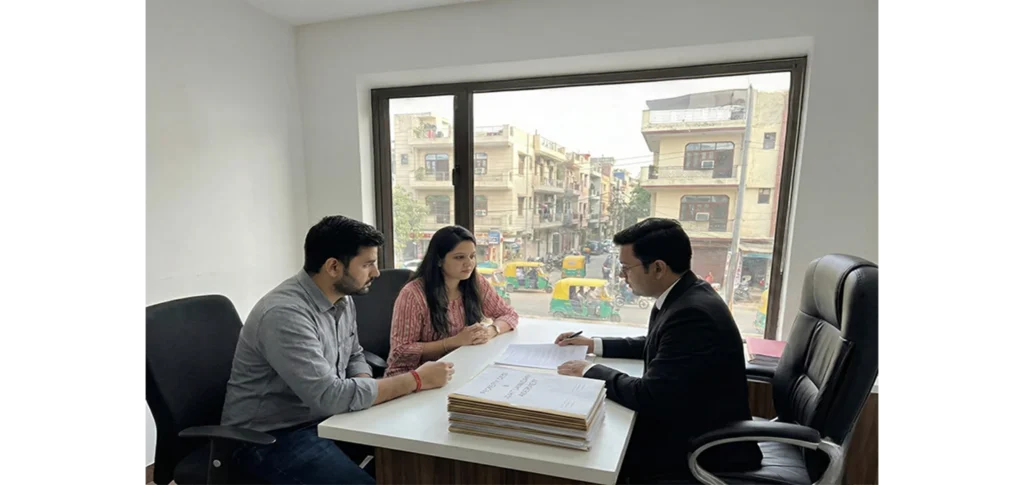
Buying property with someone you trust always sounds like an exciting prospect. It could be a spouse, a sibling, or a friend with whom you look forward to owning and managing the estate affairs. You split the cost, share the responsibility, and start a joint investment. But in Delhi, joint ownership comes with its own set of rules, rights, and paperwork. Property lawyers in Delhi, especially at AM Legal, notice that people often realise this only when a disagreement shows up years after the purchase. Proper clarity in the beginning can save a lot of heated conversations later down the line. Property advocates can help co-owners resolve property disputes, but the aim is to avoid reaching that point.
What does Joint Ownership Really Mean
Joint ownership is a structure wherein two or more people legally own the same property. It’s very common in Delhi, especially for homes bought by couples or families. However, the law recognises two distinct types of joint ownership, and this is where buyers often become confused.
Joint Tenancy is the one where everyone has equal rights. The key part is the “right of survivorship”; if one owner passes away, their share automatically moves to the other co-owners. No will needed, no separate transfer.
Tenancy-in-Common works differently. Here, co-owners can hold unequal shares, and each person can sell, transfer, or will their share however they want. If the sale deed doesn’t mention who owns what percentage, Delhi law usually assumes equal shares by default.
This isn’t just theory. Courts hold that when the deed is silent, the law is hard-pressed to treat all owners equally, regardless of who made the heavier investment. So, while things feel smooth in the beginning, clarity on paper becomes invaluable later.
Rights Every Joint Owner Has
A lot of disagreements around joint property come from not knowing these basic rights. Whether you have a small share or a big one, your rights are fairly clear under Indian property laws.
Right to Possession
Every co-owner has full rights over the entire property. You’re not limited to a “portion” unless all co-owners agree to physically divide spaces among themselves.
Right to Income and Expenses
If the property earns rent, each owner gets a share based on their ownership percentage. And the same applies in reverse. Property tax, repair costs, maintenance charges, and even home loan EMIs are shared responsibilities.
A common mistake people make is paying expenses casually without keeping track. Later, when someone wants to sell or claim a bigger share, these unrecorded payments become points of conflict. A simple record of who paid what solves this.
Right to Transfer a Share
Under tenancy-in-common, an owner can sell or gift their share without needing everybody’s approval. People assume that joint ownership translates to unanimous decision-making, but the law doesn’t always favour that unless it’s written into the agreement.
On a related note, laws like the Protection of Women from Domestic Violence Act give a person the right to live in a shared household, but they don’t cancel joint ownership or block a future partition or sale. You must understand both rights separately.
How Joint Property Registration Works in Delhi
Registering a jointly owned property is rather easy, but since more than one person is involved, small errors can delay or complicate things. Here’s how it usually works:
Draft the Sale or Transfer Deed
Make sure the deed says clearly who owns how much. If it’s equal, mention it. If it’s unequal, definitely mention it. This one line prevents endless confusion.
Collect the Documents
All co-owners must submit relevant ID proofs such as Aadhaar, PAN, the current title deed, NOCs where needed, and property tax receipts. Each person’s documents must be submitted separately.
Pay Stamp Duty and Registration Fees
Payments depend on property value. Decide beforehand who pays what, especially when co-owners are contributing differently.
Book an Appointment at the Sub-Registrar Office
All the co-owners have to be physically present with two witnesses each. If even one person forgets to bring their ID or doesn’t arrive on time, the entire appointment gets pushed.
Biometric Verification and Signing
Fingerprints, photos, and signatures are captured. Once verified, the sale deed is registered.
Final Entry in Government Records
After approval, the property officially appears under the names of all co-owners.
This entire process is what gives each owner their legal standing. Without registration, ownership isn’t legally recognised.
Things to Check Before Buying Jointly Owned Property
Whether you’re buying a property with someone or purchasing from multiple sellers, a few checks can save you from future disputes.
Verify the Title and Encumbrance Certificate
Make sure the property doesn’t carry hidden loans, disputes, or pending legal issues.
Confirm Ownership Shares Upfront
If you’re buying with someone, decide the percentages now and don’t leave it to assumptions.
Get Written Consent from All Co-Owners
Even if everyone “agrees verbally,” insist on written consent. It avoids last-minute objections.
Understand Shared Liability
Once you’re a co-owner, you’re responsible for taxes, dues, and maintenance, even if someone else falls behind.
Use a Partition Deed When Needed
If three siblings own a house but each wants clarity on their respective portions, a partition deed helps put boundaries or share splits on record.
Most property disputes in Delhi start because someone treated paperwork casually. Proper documentation makes the co-ownership arrangement steady and far less stressful.
Final Thoughts
Joint ownership can work remarkably well when everything is clear from the outset. Delhi’s property laws give co-owners solid rights, but they also expect buyers to be careful with documents, share definitions, and proper registration. When the paperwork is clean, joint ownership becomes a strong financial decision rather than a potential source of future conflict. It’s important to state, however, that no matter how hard you try to prevent any hiccups from arising, sometimes the stars don’t favour you and you end up in another co-owner’s crosshairs anyway. Just know that one of the best property advocates in Delhi at AM Legal Services, Advocate Anant Misra here to help you get out of any troubles that you might encounter with the ownership and management of your estate.